


Sexual health is deeply personal, yet many women quietly notice subtle shifts when intimacy has been absent for months or years. Whether due to a breakup, busy life, health reasons, or choice, prolonged sexual inactivity can send signals your body and mind can’t ignore.
This guide reveals the 7 signs a woman has not made love for a long time, backed by science from sources like WebMD and Mayo Clinic. We’ll address key questions people also ask: “What happens when a woman is not sexually active for a long time?” and “What happens to your body when you stop making love?” You’ll also find comparisons to “7 signs a man has not made love for a long time,” community discussions (including Reddit-style insights), and practical advice.
Please Note: These signs are observational and vary widely. They are not a medical diagnosis. Individual factors like age, hormones, and lifestyle play huge roles. Always consult a doctor or sexual health specialist for personalized advice. Sexual activity is healthy for many, but abstinence itself isn’t inherently harmful—many thrive without it. The goal here is empowerment through awareness.
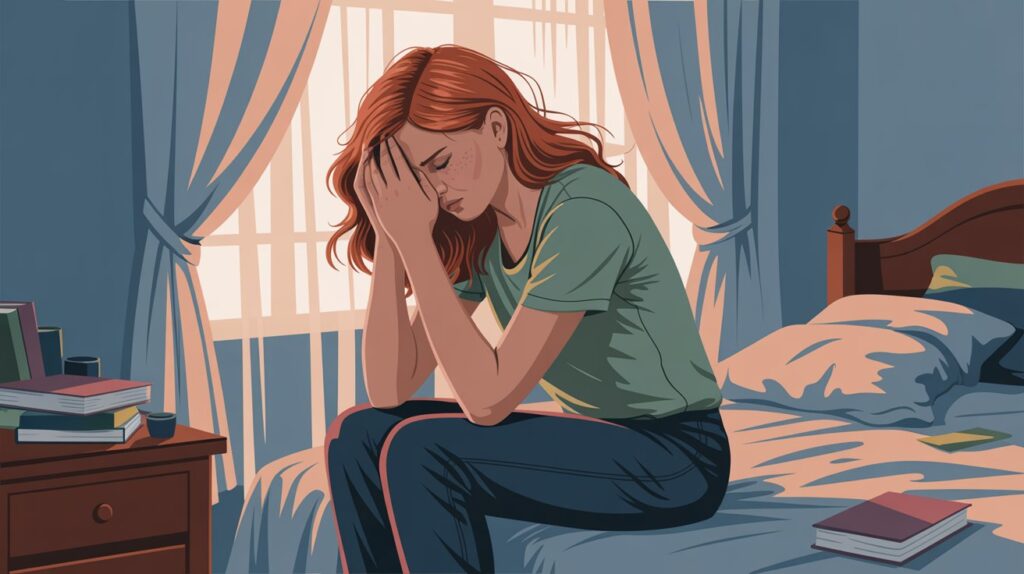
Sexual inactivity doesn’t mean something is “wrong.” It can be a conscious choice or temporary phase. But understanding the signs helps women make informed decisions about self-care, whether that means resuming intimacy, exploring solo pleasure, or seeking professional support.
What Happens When a Woman Is Not Sexually Active for a Long Time?
When intimacy pauses for extended periods (months to years), the body adapts. According to Medical News Today and WebMD, there are no catastrophic side effects for most women, but specific changes occur.
Physically: Vaginal tissues may thin and dry out (a process called genitourinary syndrome of menopause or GSM, even in younger women if inactive). Lubrication decreases, and the vaginal canal can tighten slightly—“use it or lose it” applies here for elasticity. Pelvic floor muscles weaken without regular contraction, raising risks of mild incontinence or discomfort later.

Mentally and emotionally: Oxytocin and endorphin release from sex (and orgasm) drop, potentially increasing stress, anxiety, or low mood. Sleep quality can dip without prolactin’s calming effect. Libido itself may decrease (“out of sight, out of mind”) or spike with built-up frustration.
Many women report feeling more focused or less distracted without sexual thoughts dominating, while others feel restless. The key takeaway? Your body is resilient. Regular masturbation, Kegel exercises, or medical aids like vaginal moisturizers can prevent or reverse most changes.
What Happens to Your Body When You Stop Making Love?
Beyond the basics, stopping sexual activity affects multiple systems:
- Cardiovascular and immune benefits missed: Regular sex correlates with lower blood pressure and better immunity in studies.
- Hormonal shifts: Estrogen production in vaginal tissues slows, leading to dryness and potential discomfort upon resuming.
- Pelvic health: Weaker floor muscles may contribute to stronger menstrual cramps or urinary leaks.
- Skin and energy: Some notice drier skin or fatigue from missed endorphin boosts.
These effects are gradual and reversible. Women who stay sexually active (solo or partnered) often maintain better vaginal health and overall vitality.
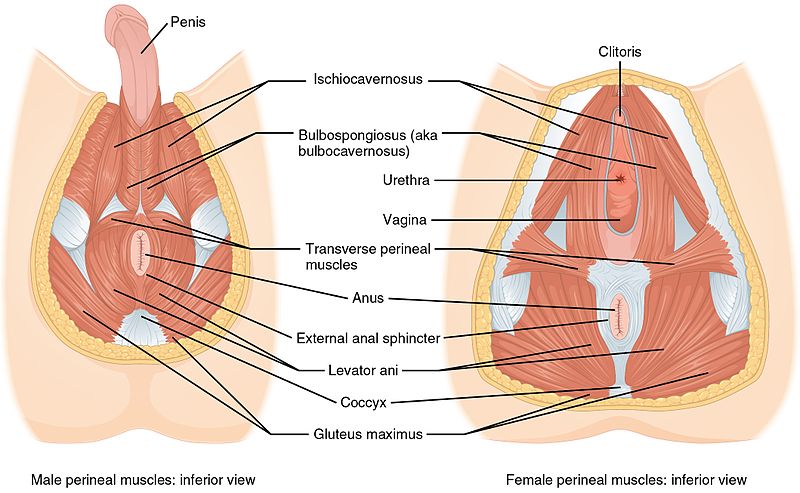
Understanding Your Pelvic Floor and Its Importance | PHRC
The 7 Signs a Woman Has Not Made Love for a Long Time
Here are the most common, science-backed indicators. Each includes why it happens, how to spot it, and actionable steps.
1. Heightened Irritability and Mood Swings Without regular oxytocin release from intimacy, stress hormones like cortisol can rise unchecked. Women often feel snappier, more frustrated, or emotionally volatile—small things trigger bigger reactions. This mirrors “sexual frustration” described in health literature.
How to know: Friends notice you’re “on edge” more often; you snap over minor delays or feel inexplicably tearful.
What to do: Practice mindfulness, exercise, or talk therapy. Many find resuming intimacy (or even self-pleasure) restores emotional balance quickly.
Relatable Testimonial: “I thought I was just stressed from work until my best friend pointed out my constant irritability. It had been two years since my last relationship. Once I started prioritizing self-care and eventually met someone, my mood stabilized almost overnight. It wasn’t just hormones—it was missing that deep connection.” – Maria, 38 (shared in women’s health forums similar to Reddit discussions on “7 signs a woman has not made love for a long time reddit”).
2. Increased Sensitivity to Touch (Touch Starvation) The body craves physical connection. Skin becomes more reactive; even casual hugs or brushes feel electric or overwhelming. This is a classic sign of touch starvation.
How to know: You linger in embraces, notice goosebumps from light contact, or feel unusually aware of someone’s proximity.
What to do: Book massages, hug loved ones more, or try sensual self-touch to ease the craving without pressure.

How Sensual Touch Exercises Can Transform Client Relationships | Somatica Institute
3. Vaginal Dryness, Tightness, or Discomfort This is one of the clearest physical signs. Less blood flow and arousal mean thinner, less elastic tissues and reduced natural lubrication. Resuming sex can feel tight or painful initially.
How to know: Tampons feel drier, or you notice discomfort during medical exams or new intimacy attempts.
What to do: Use over-the-counter vaginal moisturizers daily (not just during sex) and water-based lubricants. Pelvic floor physical therapy works wonders. Low-dose estrogen creams (doctor-prescribed) reverse atrophy effectively.
4. Decreased Self-Confidence and Body Image Concerns Intimacy boosts feel-good hormones and reinforces body positivity. Without it, many women report feeling less desirable or attractive.
How to know: You avoid mirrors, hesitate to wear fitted clothes, or feel awkward in social settings with potential partners.
What to do: Affirmation practices, new hobbies, or therapy rebuild confidence. Many rediscover self-worth through solo exploration first.
5. More Frequent Sexual Fantasies or Restlessness The mind compensates. Daydreams intensify, or you feel a vague restlessness or “heaviness” in the pelvic area.
How to know: Fantasies pop up during mundane tasks; you feel antsy or distracted by romantic thoughts.
What to do: Channel energy into creative outlets or safe solo satisfaction—masturbation maintains tissue health and releases tension.
6. Changes in Sleep Quality and Energy Levels Missing post-orgasm prolactin and oxytocin means poorer sleep and subtle fatigue. Some report insomnia or feeling “wired but tired.”
How to know: You toss and turn more, wake unrefreshed, or lack morning energy.
What to do: Wind-down routines, magnesium supplements (doctor-approved), or intimacy when possible restore deep sleep.

Why Sleeping Next To Your Partner Is Good For Your Health | OnlyMyHealth
7. Hesitancy or Awkwardness When Intimacy Arises When opportunity knocks, the body and mind hesitate. Nervousness spikes, arousal takes longer, or you overthink performance.
How to know: You freeze during flirting, need extra time to warm up, or feel “rusty” resuming.
What to do: Communicate openly with partners. Start slow with non-penetrative touch. Many women report the “awkwardness” fades after 1–2 positive experiences.
These 7 signs align with discussions in communities searching “7 signs a woman has not made love for a long time quotes” or “5 signs a woman has not been sexually active in a while.” Real quotes from women online often echo: “It’s like my body forgot how to relax” or “Everything felt tighter and more sensitive.”
7 Signs a Man Has Not Made Love for a Long Time (Comparison)
Men show overlapping signs—irritability, touch starvation, low confidence—but also unique ones like erectile challenges or “blue balls” discomfort. Research links less frequent sex to higher erectile dysfunction risk. Signs include restlessness, performance anxiety, and reduced morning erections. The parallel article “7 signs a man has not made love for a long time text” often notes men may withdraw socially or focus excessively on work.
How Long Can a Woman Stay Without a Man?
There’s no universal timeline. Many women thrive for years (or indefinitely) without partnered sex through self-pleasure, strong social bonds, and fulfilling lives. Health experts emphasize quality over quantity—celibacy can even boost focus for some. The body adapts; discomfort arises mainly when resuming after very long breaks.
What Age Are Men Best in Bed?
Biological drive peaks in the late teens to early 20s for many men (testosterone surge). However, recent studies (including one in Scientific Reports) show sexual desire often climbs into the late 30s–early 40s. Experience, emotional intelligence, and skill typically make men in their 30s–50s “best in bed” for partners—better stamina control, communication, and technique trump raw youth.
How to Know a Woman Has Finished (Signs of Orgasm)
Clear indicators include: rhythmic vaginal/pelvic contractions, full-body flushing, rapid breathing then deep sighs, muscle tremors, and a sudden wave of relaxation or sleepiness. Skin warms, eyes may close tightly, and she may vocalize uniquely. Post-orgasm, many women feel euphoric or extra sensitive. Communication beats guessing—ask her directly!
Signs of a Woman Having Multiple Partners
Stereotypes like “looser” tissues or specific behaviors are unreliable and harmful. True indicators don’t exist reliably; focus on open conversations about sexual history, STI testing, and consent instead. Health is individual.
Testimonials: “After my divorce, it was 3 years before I felt ready again. I noticed stronger cramps and constant low energy—classic signs my body missed that release. Yoga and honest talks with my new partner changed everything.” – Aisha, 45.
“Reddit threads nailed it: ‘She’s touch-starved and overthinks everything.’ That was me until I addressed the dryness and rebuilt confidence. Now intimacy feels natural again.” – Priya, 29 (echoing “7 signs a woman has not made love for a long time reddit” conversations).
How to Reignite Intimacy After a Long Break (Practical How-To)
- Start with self-care: Daily moisturizers + Kegels.
- Communicate desires openly.
- Go slow: Non-sexual touch first.
- Consider professional help (sex therapists or gynecologists).
- Explore toys or new positions for fun.
FAQ
What happens when a woman is not sexually active for a long time?
Vaginal changes, mood shifts, and pelvic floor weakening are common but reversible with care.
What happens to your body when you stop making love?
Reduced lubrication, potential tissue thinning, and missed hormone benefits—addressed with moisturizers and activity.
How long can a woman stay without a man?
Indefinitely for many; health depends on overall lifestyle, not partnered sex alone.
What age are men best in bed?
Experience often peaks in the 30s–40s despite biological drive being earlier.
How to know a woman has finished?
Look for contractions, flushing, relaxation, and verbal cues.
Are there 7 signs a man has not made love for a long time?
Yes—similar emotional signs plus physical performance changes.
Signs that a man has not been sexually active?
Irritability, erectile issues, and social withdrawal often appear.
7 signs a woman has not made love for a long time: Conclusion
Recognizing the 7 signs a woman has not made love for a long time empowers rather than alarms. Whether you spot vaginal dryness, mood swings, touch starvation, confidence dips, restless fantasies, sleep issues, or intimacy hesitation, these signals highlight your body’s wisdom—not a flaw.
Science confirms what happens when a woman is not sexually active for a long time: mostly manageable adaptations that respond beautifully to simple interventions like moisturizers, exercise, communication, and self-compassion. Comparisons to men’s signs and questions like “What age are men best in bed?” remind us intimacy improves with experience and openness, not age or frequency alone.
“How long can a woman stay without a man?” The honest answer: as long as it serves her well-being. Some flourish in celibacy; others thrive reigniting passion. Avoid myths around “signs of a woman having multiple partners”—focus on mutual respect and health checks instead.
If these signs resonate, start small: pelvic yoga, honest self-reflection, or a doctor visit. Real women’s stories (like Maria’s irritability turnaround or Aisha’s energy revival) prove change is possible and often joyful. Sexual health is a lifelong journey of listening to your body.
Prioritize kindness toward yourself. Whether single, partnered, or somewhere in between, you deserve pleasure, connection, and vitality on your terms. Embrace the signs as gentle nudges toward the life—and intimacy—that feels right for you. Your body knows the way; trust it, care for it, and watch how it responds with gratitude.
External sources for further reading:
- WebMD: What Happens If You Stop Having Sex?
- Medical News Today: Not having sex for a long time
- Mayo Clinic: Female sexual dysfunction and vaginal health resources.