


Dating apps promised connection. Instead, they delivered endless swiping, ghosting, and frustration. If you’ve ever wondered why are dating apps so bad, you’re not alone. Millions feel the same burnout. In this in-depth guide, we unpack the real reasons you’re not finding love—from rigged algorithms to skyrocketing costs—and deliver actionable, valuable strategies that actually work.
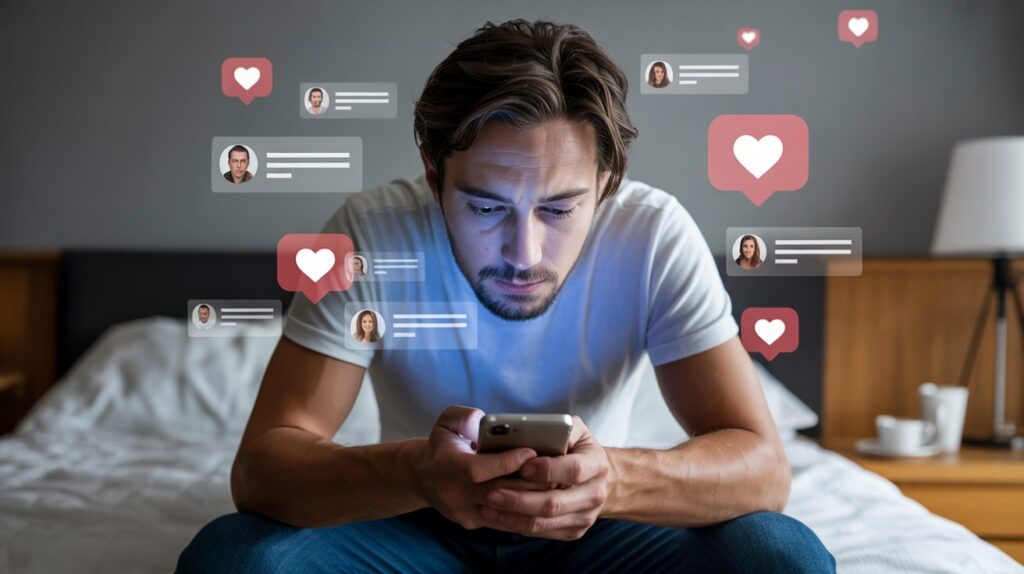
The Shocking Statistics: Why Are Dating Apps So Unsuccessful?
Dating apps dominate modern romance, yet their success rates tell a different story. Only about 10% of partnered adults met their significant other through a dating site or app. Roughly 30% of users claim to have found long-term relationships or marriages online, but results vary wildly by platform—and many “successes” fizzle quickly.
Global revenue hit $6 billion in 2025, yet user growth stalled and some apps saw subscription drops. Retention after 12 months sits below 5%. Why? Apps are engineered for engagement, not outcomes. They profit when you stay single, swiping, and paying.
Why Are Dating Apps So Bad?
How successful are dating apps? Not very. A 2025 SSRS survey found 65% of 18–29-year-olds have tried them, but only one in three young adults actively dates. Nearly 74% of young women and 64% of young men reported few or no dates in the past year.
Why Are 63% of Men Single? The Gender Imbalance No One Wants to Admit
Pew Research data shows 63% of men under 30 are single—nearly double the 34% rate for women in the same group. This gap fuels the question: Why are 63% of men single?
The answer lies partly in dating apps themselves. Platforms like Tinder (76% male) and Bumble (67% male) create massive imbalances. Men vastly outnumber women, so women receive hundreds of likes while most men get almost none.
Women often date older men, shifting the pool further. The result? Average men feel invisible, while top-tier men (the “20%”) hoard most matches. This 80/20 dynamic leaves millions of guys burned out and opting out entirely.

Why dating apps are bad for guys hits hardest here. Endless rejection tanks self-esteem. Men pay for boosts that rarely deliver, while women face choice overload and safety concerns. Everyone loses.
The Algorithm Trap: Designed for Addiction, Not Love
Dating apps use gamified algorithms that reward endless scrolling. They show you just enough matches to keep hope alive—but not enough to let you leave. Features like “Hinge Jail” or hidden likes behind paywalls ensure you upgrade.
Superficial swipes prioritize photos over personality. Studies show users make snap judgments in under a second. The illusion of infinite choice makes everyone seem disposable. Ghosting skyrockets because “someone better” is always one swipe away.
Why Are Dating Apps So Bad?
Why Are Dating Apps So Expensive? The Hidden Pay-to-Play Reality
Basic access is free, but real visibility costs. Tinder, Bumble, and Hinge charge $20–$50 monthly for premium features. Some users spend hundreds chasing matches that never materialize.
Why are dating apps so expensive? Because the business model depends on male frustration. Men buy boosts and “see who liked you” to compete in an imbalanced market. Women get flooded with options for free. Apps thrive on this asymmetry.
Why Are Dating Apps So Unhealthy? The Mental Health Crisis
Constant rejection, comparison, and ghosting fuel anxiety and depression. One survey found 78% of users experience dating app burnout. Body image suffers when everyone curates perfect profiles.
Dopamine hits from matches create addiction-like behavior. Users spend 80 minutes daily on apps, yet feel lonelier than ever. The apps amplify the worst in human nature: superficiality, flakiness, and transactional mindsets.
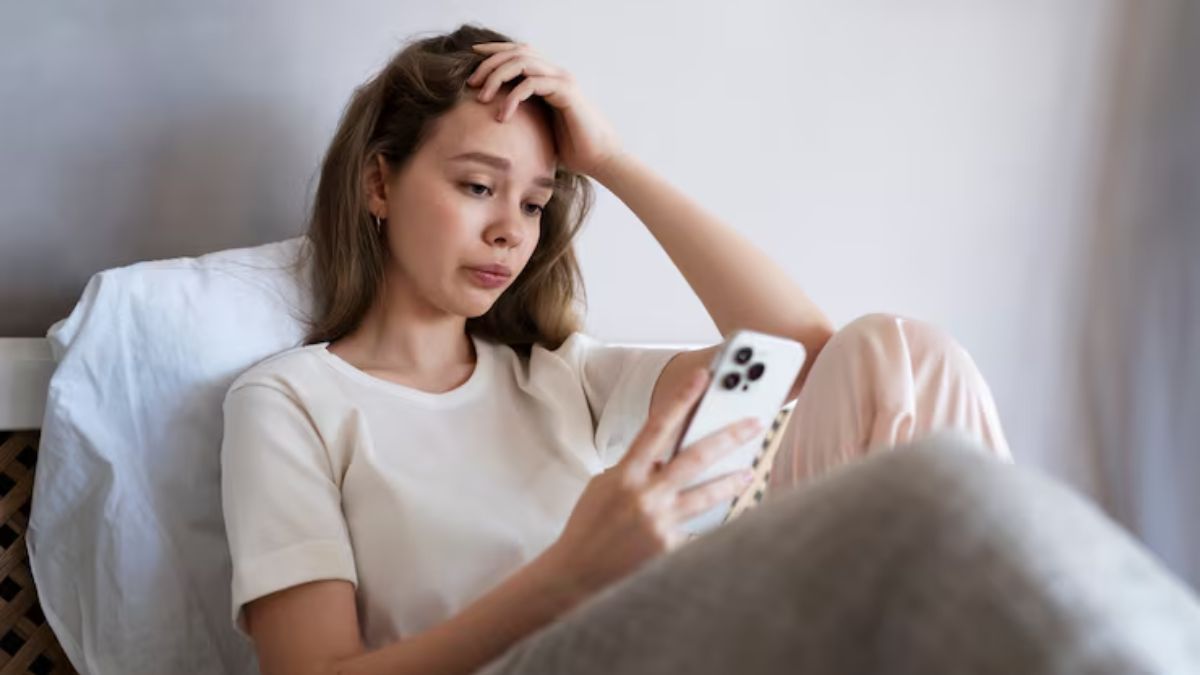
Dating app burnout is real: 78% users feel exhausted by endless swiping, finds Forbes Health Survey – Lifestyle News | The Financial Express
What Reddit Users Are Saying: “Why Are Dating Apps So Bad Reddit” Threads Exposed
Search “Why are dating apps so bad reddit” or “Dating apps are terrible Reddit” and you’ll find thousands of identical stories. Users report bots, scammers, married people posing as single, and profiles with AI-generated or heavily filtered photos.
Common complaints:
- Men: Zero matches despite decent profiles; forced to pay just to message.
- Women: Overwhelmed by low-effort messages and dick pics.
- Everyone: Ghosting after weeks of chatting; dates that never happen.
One Reddit thread summed it up: “The apps are configured to appeal to the worst in us… They amplify the illusion of choice.”
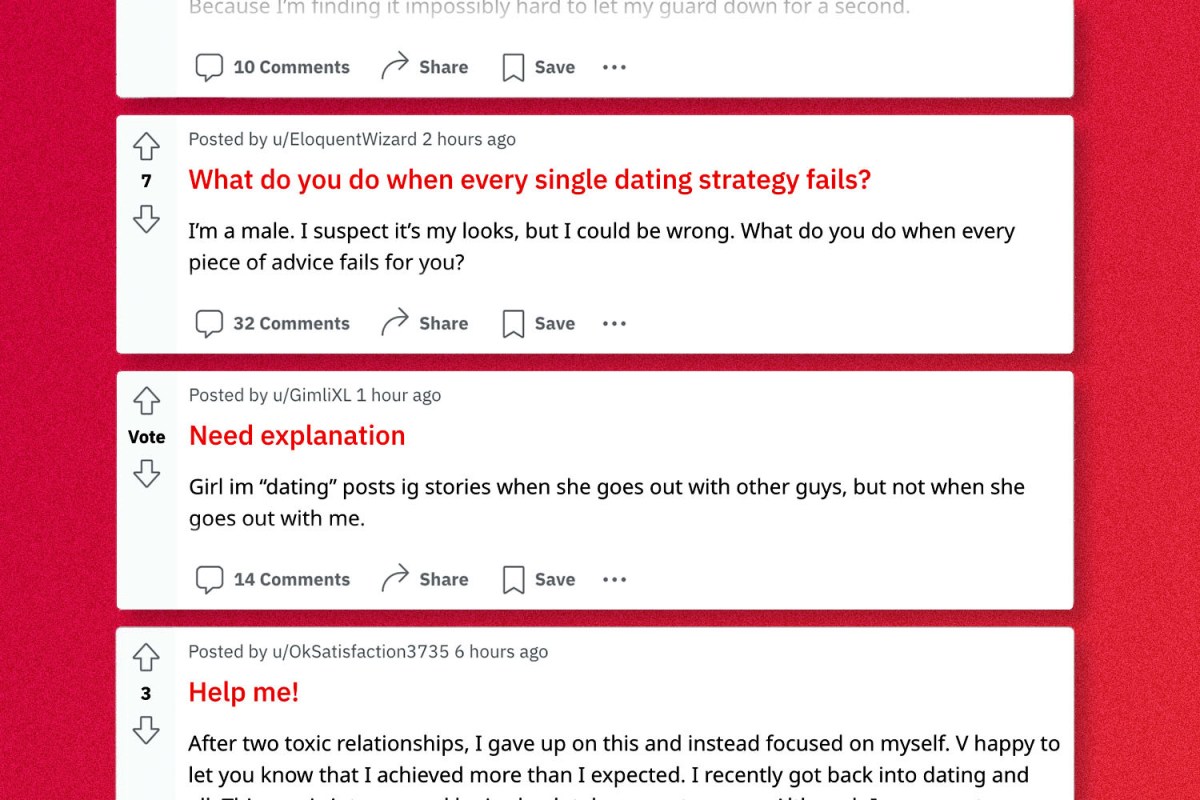
Why People Are Turning to Reddit for Dating Profile Critiques – InsideHook
Why Are Dating Apps So Bad?
Relatable Testimonials: Real Voices From the Swipe Trenches
Alex, 29, software engineer (Kampala-inspired story, but universal): “I spent six months and $400 on Tinder Premium. Got 12 matches. Three conversations. Zero dates. Every time I thought ‘this could be it,’ she ghosted. My confidence is wrecked. I deleted everything and joined a hiking group instead. Met my girlfriend there two months later.”
Sarah, 26, marketing manager: “As a woman, I get 200+ likes daily. Sounds great until you realize 90% are copy-paste openers or guys who want validation only. I’m exhausted vetting people who disappear after one date. Dating apps turned romance into a second job.”
Mike, 34, teacher: “The 63% statistic hit me hard. I’m one of them. Apps made me feel like I don’t measure up. I stopped swiping, started volunteering, and actually talk to women in real life now. It’s slower, but the connections feel real.”
These stories echo across forums—proof the problem with dating apps is systemic, not personal.
The 3-3-3 Rule for Dating Someone: Your Anti-Burnout Framework
What is the 3-3-3 rule for dating someone? It’s a simple, powerful checkpoint system to protect your heart and time:
- After 3 dates: Assess real chemistry. Is there mutual effort and attraction beyond surface level?
- After 3 weeks: Check consistency. Do they follow through or fade?
- After 3 months: Evaluate long-term fit. Do values align? Are you both invested?
This rule counters the apps’ rushed, superficial pace. It forces pause instead of endless “talking stages.”
Best Dating Apps vs. The Downfall of Dating Apps
Even the best dating apps share the same flaws. Hinge (“designed to be deleted”) performs better for relationships, but still suffers algorithm issues. Bumble empowers women to message first—yet many profiles remain inactive. eHarmony and Match cater to serious daters but charge premium prices.
The downfall of dating apps is clear: consolidation by two mega-corporations (Match Group and Bumble) prioritizes profit over people. AI features, rising prices, and declining trust signal a shift. Gen Z is already ditching apps for IRL meetups.

dating-app-icons-tinder-bumble-league-zoosk-okcupid-hinge-21821997915627.jpg – Being a Better Black Man – The Blog
How to Actually Find Love in 2026: Proven Alternatives That Work
- Build real-world social circles — Join hobby groups, classes, or volunteering. Shared activities create natural chemistry.
- Master the 3-3-3 rule — Apply it whether you meet online or offline.
- Take intentional breaks — Delete apps for 30–90 days. Use the time to level up your fitness, career, and confidence.
- Focus on self-worth first — The healthiest relationships happen when you’re already fulfilled.
- Hybrid approach — Use apps sparingly as one tool, not the only one.
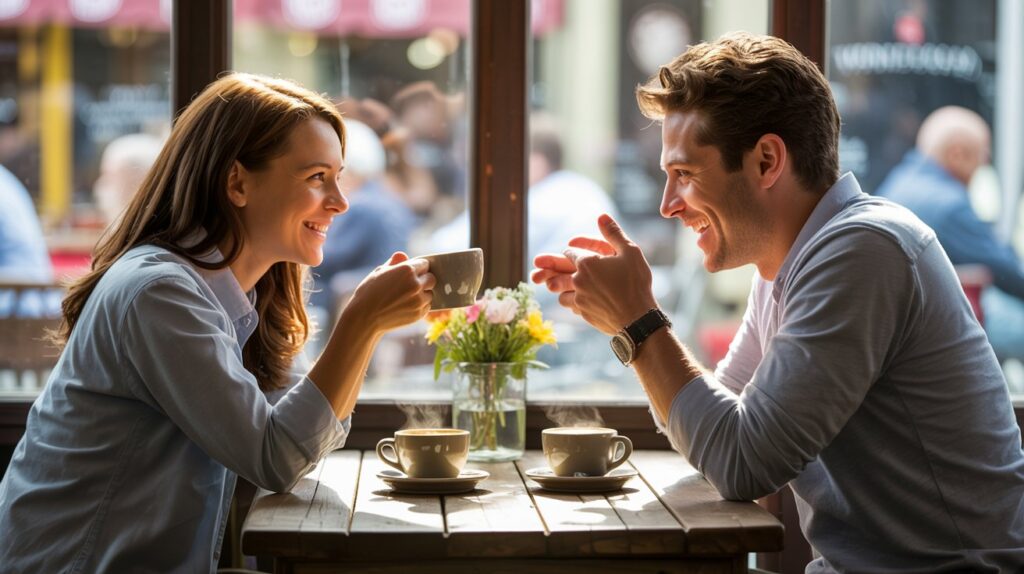
These steps deliver higher success rates and better mental health than endless swiping.
FAQ Why Are Dating Apps So Bad?
Why are dating apps so unsuccessful?
Algorithms prioritize engagement over matches; gender imbalances and paywalls reduce real connections.
Why are 63% of men single?
Dating app ratios favor women; cultural shifts and women dating older men widen the gap.
What is the 3-3-3 rule for dating someone?
Check chemistry after 3 dates, consistency after 3 weeks, and long-term fit after 3 months.
Why are dating apps so unhealthy?
They fuel anxiety, comparison, addiction, and burnout through superficial validation loops
Conclusion: Why Are Dating Apps So Bad?
Reclaim Your Love Life in 2026
Dating apps aren’t inherently evil—they started as convenient tools. But corporate greed, flawed algorithms, gender imbalances, and psychological manipulation turned them toxic. The downfall of dating apps is happening right now as users wake up to the reality: endless swiping rarely leads to lasting love.
The real reasons you’re not finding love? It’s not you—it’s the system. Apps exploit loneliness for profit. They reward superficiality and punish patience. They make men feel invisible and women overwhelmed. They cost too much, deliver too little, and leave everyone emotionally drained.
Yet hope is real. The 63% statistic doesn’t have to define you. The 3-3-3 rule gives you structure. Real-world connections—hobbies, friends, communities—still work better than any algorithm. Thousands have deleted the apps, rebuilt confidence, and found partners who actually show up.
Your next chapter starts offline. Invest in yourself. Show up in spaces where people share your values. Be intentional, patient, and kind to yourself. Love isn’t a swipe away—it’s built through real moments, shared laughter, and consistent effort.
Delete the apps. Open your life. The right person isn’t hiding behind a paywall—they’re waiting where real life happens.
Important Sources for Further Reading:
- Pew Research on singlehood trends
- Business of Apps: Dating App Market Report 2026
- Psychology Today: The 3-3-3 Rule Explained
Take control. Your love story deserves better than endless left swipes.