

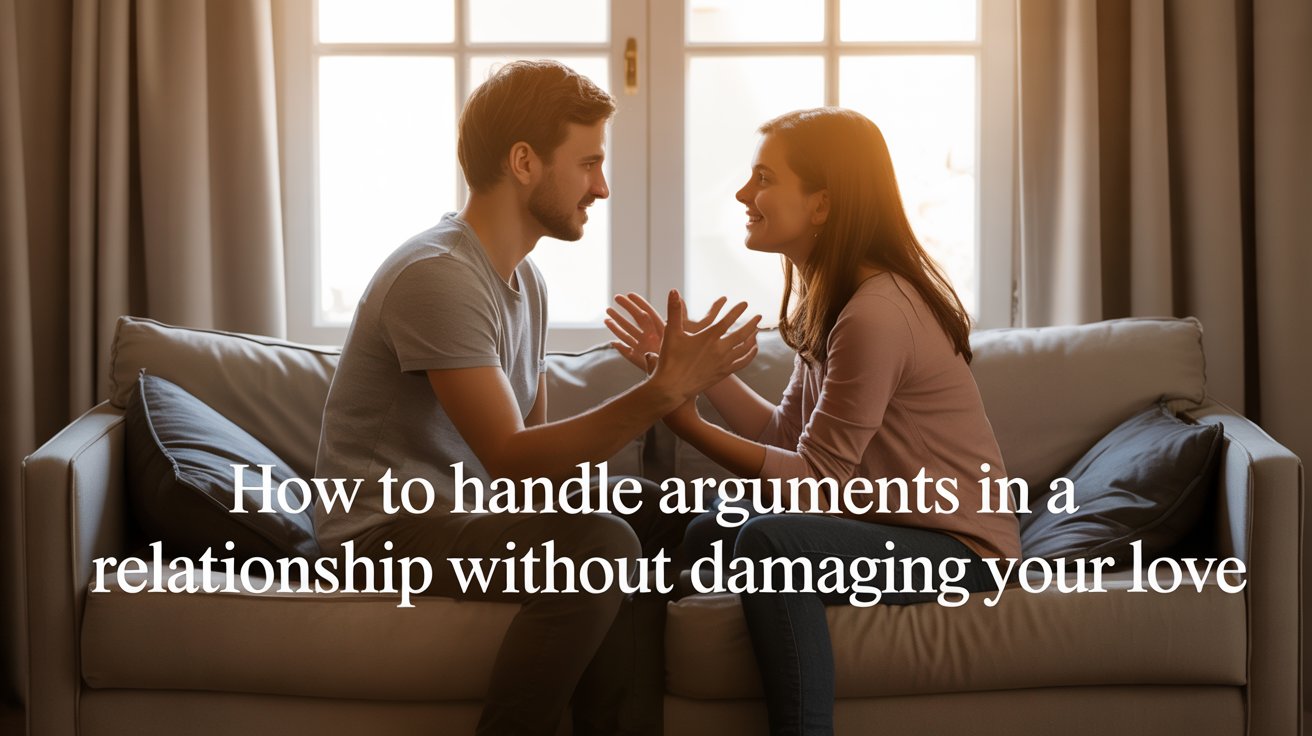
In the beautiful journey of love, arguments are like unexpected rain showers—they can feel disruptive, but they often clear the air and help your relationship bloom stronger. If you’re wondering how to handle arguments in a relationship without letting them erode the deep connection you share, you’re in the right place.
Every couple faces disagreements, but the magic lies in turning those moments into opportunities for growth, intimacy, and unbreakable trust. With a motivational mindset, remember: your love is worth fighting for, not fighting against.
This guide dives deep into practical, psychology-backed strategies to navigate conflicts, while weaving in valuable insights on being a supportive partner. Let’s transform those tense moments into stepping stones for a more passionate, resilient bond.
Why Arguments Are Important in a Relationship
Arguments aren’t the villains in your love story—they’re often the heroes in disguise. When handled well, they reveal hidden needs, foster deeper understanding, and prevent resentment from building up. As experts note, avoiding arguments can lead to “resentment and ‘Arrrgh'”—that pent-up frustration that silently damages your connection. Instead, view disagreements as a sign of passion: you care enough to voice your thoughts and work through differences.
Think of arguments as a vehicle for growth. They push you to communicate frustrations, clarify boundaries, and build trust. In fact, research shows that constructive conflicts lead to authentic connections and greater intimacy. Without them, relationships can become stagnant, lacking the energy that comes from honest dialogue. So, embrace arguments as proof that your love is alive and evolving—it’s not about never disagreeing, but about disagreeing with love and respect.
Testimonial from Sarah and Mike: “We used to avoid fights, thinking it meant we were perfect. But after one big argument about finances, we sat down and really listened. It brought us closer—we learned each other’s fears and dreams. Now, our love feels unbreakable because we know we can weather any storm together.”

Important Link: For more on the benefits of conflict, check out Psychology Today’s guide on how arguments strengthen relationships.
Is Arguing in a Relationship Healthy?
Absolutely—arguing can be a hallmark of a thriving partnership when done right. Healthy arguing means expressing differences respectfully, focusing on solutions, and emerging stronger. It’s not about frequency but quality: happy couples argue as much as distressed ones, but they prioritize problem-solving over blame. If your disagreements lead to mutual understanding and compromise, they’re fueling your love, not diminishing it.
However, constant, unresolved fights signal issues. If arguments escalate to name-calling, silent treatment, or contempt, it’s time to reassess. Healthy conflict builds trust; unhealthy erodes it. Remember, love thrives when you fight fair—turning “me vs. you” into “us vs. the problem.”
From Reddit users: “Arguing means you’re communicating. In my healthy relationship, we discuss, not yell—it’s about growth, not winning.”
Unhealthy Conflict in Relationships
Not all arguments nurture love—some can poison it. Unhealthy conflict involves hostility, criticism, defensiveness, or stonewalling, leading to emotional harm and health issues like stress-related heart problems. Signs include constant blaming, name-calling, or avoiding resolution, which creates rifts and resentment.
If fights leave you feeling attacked or unworthy, it’s unhealthy. Chronic arguing without solutions can indicate deeper incompatibilities. To shift this, focus on empathy and teamwork—your love deserves protection from destructive patterns.
Testimonial from Emily and Josh: “Our fights used to spiral into blame games, leaving us exhausted. Learning to pause and listen turned things around. Now, we support each other through disagreements, and our bond is deeper than ever.“

Important Link: Explore more on unhealthy dynamics at Everyday Health’s article on healthier arguments.
How to Handle Arguments in a Relationship Psychology
Psychology teaches us that effective conflict resolution starts with mindset: see arguments as collaborative problem-solving. Key strategies include:
- Use “I” Statements: Say “I feel hurt when…” instead of “You always…” to reduce defensiveness.
- Active Listening: Reflect back what you hear, like “I hear you’re frustrated because…”. This builds empathy.
- Take Breaks: If emotions run high, pause to cool down—prevent escalation.
- Focus on One Issue: Avoid piling on past grievances; solve one problem at a time.
- Seek Win-Win Solutions: Compromise where both feel valued.
These tools, rooted in positive psychology, turn conflicts into bonding moments. Being a supportive partner means validating feelings and assuming good intentions—your love grows when you prioritize understanding over winning.
From Reddit: “View it as a team problem. Resolve together, no yelling—it’s changed our relationship.”
Fighting with Your Partner: Use These 4 Phrases
Words can heal or harm—choose ones that nurture love. Try these psychology-approved phrases during fights:
- “This is what I saw or heard…” (State facts neutrally).
- “This is what I made up about it…” (Own your interpretation).
- “This is how I felt…” (Share emotions honestly).
- “What I need is…” (Express needs clearly).
These foster vulnerability and connection, reminding you both that love is the priority.
What to Say After a Fight with Your Partner
Post-fight words rebuild bridges. Start with: “I’m sorry for my part,” or “I love you and want to work through this.” Suggest a hug or walk to reconnect—physical touch releases oxytocin, strengthening bonds. As a supportive partner, affirm your commitment: “We’re in this together.”
Testimonial from Lisa and Tom: “After our biggest fight, I said, ‘I see how I hurt you—that wasn’t my goal.’ It melted the tension, and we grew closer.”
What Is the 3 Day Rule After an Argument?
The 3-day rule is a intentional break to cool off and reflect, preventing rash words. Use it for space, not silence—reconnect with clarity. It’s perfect for intense fights, allowing love to guide resolution.
How to Know if He Still Loves You After a Fight
Look for actions: Does he reach out, apologize, or show affection? These signal commitment. If he prioritizes repair, his love endures. Trust grows when fights lead to deeper connection.
What to Say When Fighting for a Relationship
When stakes are high, say: “I care more about us than being right,” or “Let’s solve this together.” These affirm your dedication, shifting focus to unity.
For those who want love faster than waiting: manifest for love
7 Biblical Ways to Resolve Conflict in Marriage
Draw from timeless wisdom for faith-based love:
- Seek God’s guidance through prayer.
- Listen actively without interrupting.
- Use “I” statements to express feelings.
- Find common ground and compromise.
- Forgive as you’ve been forgiven.
- Avoid anger escalating (Ephesians 4:26).
- Reaffirm love and commitment.
These nurture spiritual and emotional bonds.
How to Solve an Argument Between Two Friends (And Adapt to Relationships)
Similar to romantic ties, solve friend disputes by admitting faults, listening, and compromising. In relationships, apply this: Set a talk time, stay calm, and focus on repair—friendship principles strengthen love too.
From Reddit: “Summarize the fight, apologize, plan better—it’s simple but powerful.”
How to Handle Arguments in a Relationship Reddit Insights
Reddit users emphasize teamwork: “See it as a shared problem—resolve without blame.” Many share that cooling off periods and honest talks prevent escalation, echoing psychology tips.
Digging Deeper: How to Be a Supportive Partner During Arguments
True love shines in support. Be empathetic: Validate feelings with “I understand why you’re upset.” Offer touch or space as needed. Post-fight, reaffirm: “I’m here for you.” This builds security, turning arguments into affirmations of your unbreakable team.
Testimonial from Anna and David: “He always says, ‘We’re stronger together.’ It’s our mantra—it reminds us love conquers all.”

Important Link: Dive into conflict resolution at Positive Psychology’s relationship guide.
FAQ
What is the 3 day rule after an argument?
The 3-day rule provides a break to reflect and calm emotions before resuming discussion.
What to say after a fight with your partner?
Try “I’m sorry—I value us more than this disagreement.”
How to know if he still loves you after a fight?
He’ll initiate contact, apologize, and work toward resolution.
Is arguing in a relationship healthy?
Yes, if respectful and solution-focused—it promotes growth.
Conclusion: How To Handle Arguments In A Relationship
In closing, handling arguments with love, empathy, and strategy not only preserves your bond but elevates it. Your relationship is a masterpiece—cherish it through every challenge. With these tools, you’ll navigate storms and emerge in sunnier, more passionate love.