


Sexless marriages are far more common than most couples admit. Research shows that 15-20% of married couples in the U.S. qualify as sexless—defined as having sex fewer than 10 times per year. Around 1 in 7 married adults report little to no sex in the past year, with numbers climbing higher when including infrequent intimacy.
Yet the silence around it is deafening. Couples quietly become roommates while wondering: Is this normal? Will it ever come back? This article dives deep into the psychology, real-life triggers (including post-baby shifts and age-related changes), what happens to your health and relationship when sex stops, and—most importantly—proven steps to fix it.
If you’re searching “why married couples stop having sex psychology,” “why do couples stop having sex after baby,” “what to do when sex stops in a marriage,” or “when to walk away from sexless marriage,” you’re in the right place. Let’s break it down clearly, with skimmable sections, expert-backed insights, relatable testimonials, and actionable fixes.

To the Burned-Out Working Mom – Motherly
The Psychology Behind Why Married Couples Stop Having Sex
Sexual desire in long-term relationships isn’t just about hormones—it’s powered by emotional intimacy. When couples lose that spark of connection, desire fades.
Common psychological factors include:
- Routine and comfort: Early passion gives way to familiarity. One partner explains, “We became business partners running a household.” Boredom sets in; sex feels predictable.
- Unresolved resentment or anger: Small conflicts snowball. Withholding sex becomes a passive way to express hurt.
- Desire discrepancy: Up to 80% of couples experience mismatched libidos—one wants sex, the other doesn’t. This is normal but devastating if unaddressed.
- Body image and performance anxiety: Concerns about appearance or erectile issues kill spontaneity.
Do married couples get tired of having sex? Yes—many do, but it’s rarely “tired of each other.” It’s tired of the same script. Psychology shows novelty and emotional safety reignite desire.
Why Do Couples Stop Having Sex After Baby?
Parenthood is the #1 life event that tanks sexual frequency. 67% of couples report a drop in relationship satisfaction for up to three years postpartum.
Why?
- Hormonal chaos: Breastfeeding suppresses estrogen and testosterone; prolactin tanks libido.
- Extreme fatigue: Sleep deprivation + new responsibilities = zero energy for intimacy.
- Physical recovery: Pain, dryness, or healing from birth makes sex uncomfortable for months (or years).
- Role shift: Suddenly you’re “Mom and Dad,” not lovers.
Sex often resumes around 7 weeks postpartum for most couples, but desire can stay low for 6–12 months—or longer if emotional connection isn’t rebuilt.
People also search for: Why do couples stop having sex after baby – because it’s temporary for most, but fixable only with deliberate effort.
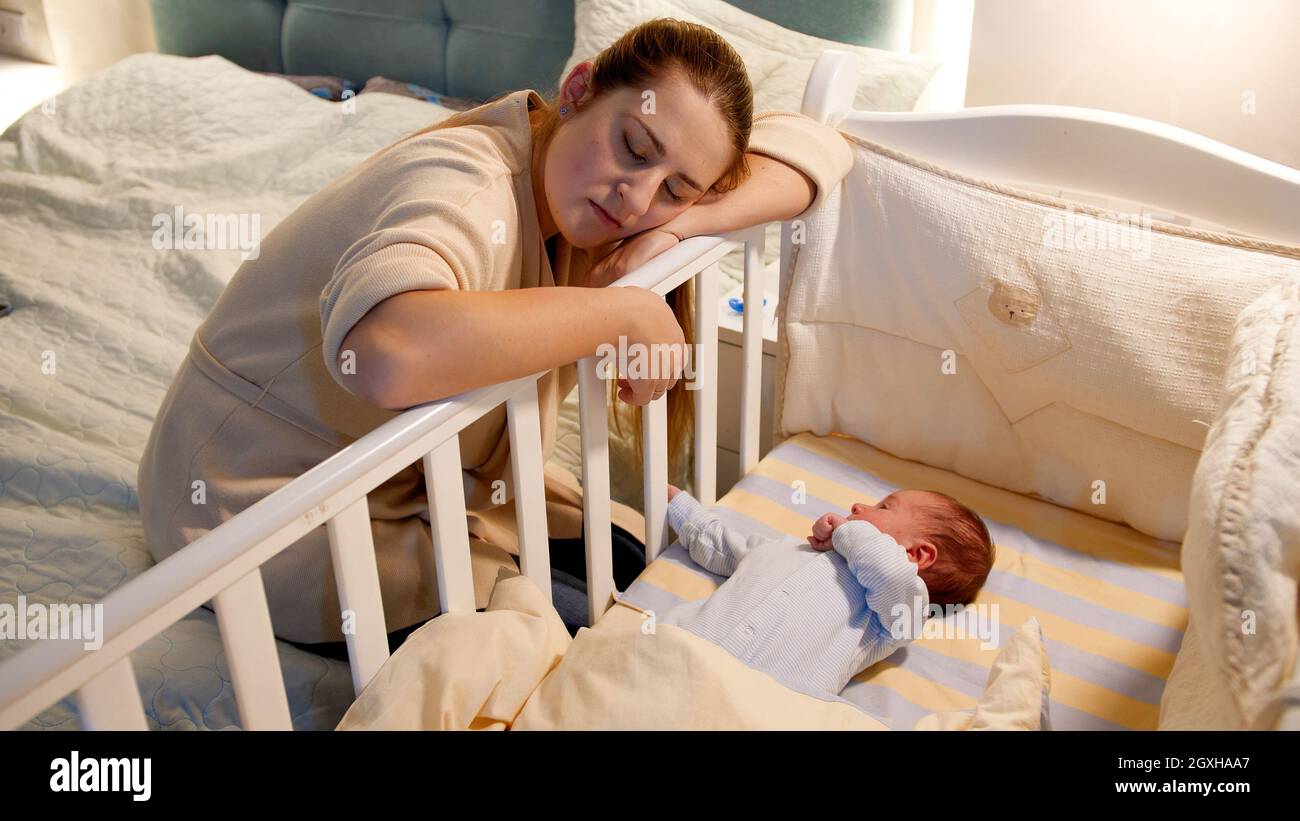
Young tired and exhausted mother fallen asleep while rocking crib of her newborn baby at night.
Why Married Couples Stop Having Sex
Why Do Women Stop Having Sex After Marriage?
This question floods searches, but the answer isn’t “women lose interest after the ring.” It’s a mix of factors:
- Unequal emotional and household labor creates resentment.
- Hormonal shifts from pregnancy, birth control, or perimenopause.
- Painful sex (vaginal dryness, endometriosis) that goes unaddressed.
- Feeling like a “mother” not a “lover.”
Women’s desire is highly responsive—it needs safety, foreplay, and emotional connection first. When marriage becomes all logistics and no romance, desire vanishes.
What Happens When Couples Stop Having Sex?
A sexless marriage doesn’t just affect the bedroom:
- Increased stress & anxiety: Oxytocin from intimacy is missing; couples feel disconnected.
- Health risks: Men may face higher prostate issues; women can experience vaginal atrophy or lower immunity.
- Relationship erosion: Resentment builds, leading to contempt, affairs, or divorce.
- Self-esteem hits: The lower-desire partner feels guilty; the higher-desire partner feels rejected.
Long-term, it can mimic depression symptoms. But the good news? Most couples who address it early recover stronger intimacy than before.
At What Age Do Couples Stop Having Sex?
There is no magic age. Frequency declines gradually:
- 57–64: 73% still active
- 65–74: 53% active
- 75+: 26% still enjoy sex
Health, medications, and partner availability matter more than calendar years. Many couples in their 70s and 80s maintain satisfying intimacy with adaptation (more non-penetrative play, communication).
Real Testimonials: Couples Who Lived It (And Fixed It)
Sarah, 34 (Post-Baby Dry Spell) “After our son was born, sex felt painful and I was too exhausted. My husband felt rejected. We hit rock bottom at 18 months postpartum—no sex for 14 months. We started with non-sexual cuddling dates and couples therapy. Six months later, we’re having better sex than pre-baby because we finally talk about needs.”
Mark, 42 (Reddit Dead-Bedroom Story) “I used to search ‘why married couples stop having sex reddit’ at 2 a.m. Rejection after rejection killed my confidence. We were roommates raising kids. One honest conversation—‘I feel undesired’—opened the floodgates. We scheduled weekly ‘intimacy nights’ (no pressure for sex) and read books together. We went from zero to twice monthly. It saved us.”
Elena, 51 (Menopause + Routine) “After 22 years, I just… stopped wanting it. Hormones, work stress, same old positions. My husband thought I didn’t love him anymore. We saw a sex therapist who prescribed vaginal estrogen and taught us new ways to touch. The biggest fix? He started helping more at home so I wasn’t resentful. Now we’re playful again.”
James, 62 (Age-Related Slowdown) “We slowed down in our late 50s. I worried erectile issues meant the end. Instead of hiding, we explored toys and oral focus. At 62 we still make love—less often, but deeper connection. Age didn’t stop us; silence almost did.”
These stories echo thousands on forums: the pain is real, but fixable when both partners commit.

Couples Therapy & Marriage Counseling Guide | betterhelp.com
What to Do When One Partner Wants Sex and the Other Doesn’t?
This is the #1 “people also ask” question for a reason. Desire discrepancy is normal. Here’s the fix:
- Stop the blame game – Frame it as “we” vs. the problem.
- Non-demand touch – Cuddle, massage, kiss without expecting sex. This rebuilds safety.
- Explore responsive desire – The lower-desire partner often needs emotional connection first.
- Compromise creatively – One partner gets solo pleasure while the other participates intimately.
- Seek medical help – Testosterone checks, menopause treatments, or antidepressants that don’t kill libido.
What to Do When Sex Stops in a Marriage? 10 Proven Steps to Fix It
Step 1: Acknowledge without shame. Say, “Our sex life has changed and I miss our connection.”
Step 2: Rebuild emotional intimacy first. Daily check-ins, appreciation texts, shared hobbies.
Step 3: Address physical barriers. Doctor visits for hormones, pain, ED.
Step 4: Schedule intimacy dates. Not “sex nights”—connection nights that may lead there.
Step 5: Introduce novelty. New positions, toys, fantasies—without pressure.
Step 6: Share the mental load. When women feel supported at home, desire returns.
Step 7: Read together. Books like Come as You Are or The Sex-Starved Marriage.
Step 8: Try sensate focus exercises (therapist-guided non-sexual touch progression).
Step 9: Consider couples or sex therapy. Success rates are high when both attend.
Step 10: Celebrate small wins. Track progress together.
Important Links: Read expert advice at Psychology Today on sexless marriages or Verywell Mind’s guide.

Intimacy in Marriage | Improving Connection & Closeness
When to Walk Away from Sexless Marriage
Not every marriage can (or should) be saved. Consider leaving if:
- Your partner refuses all effort or therapy for years.
- Contempt or emotional abuse replaces love.
- One partner is getting needs met elsewhere (affair, porn addiction).
- You’ve tried everything and feel more harmed than helped.
Sex isn’t everything—but chronic rejection without repair destroys self-worth. Consult a therapist before deciding.
FAQ: Why Married Couples Stop Having Sex
What to do when one partner wants sex and the other doesn’t?
Start with non-demand affection and professional help. Focus on emotional safety first.
What to do when sex stops in a marriage?
Follow the 10-step plan above: communicate, rebuild touch, seek therapy.
Why married couples stop having sex psychology?
Loss of emotional intimacy + life stressors suppress responsive desire.
Why do women stop having sex after marriage?
Not marriage itself—often unequal load, hormones, or unresolved resentment.
What happens when couples stop having sex?
Emotional distance, higher stress, potential health dips, and relationship strain.
At what age do couples stop having sex?
No fixed age; many stay active into their 70s+ with adaptation.
Why Married Couples Stop Having Sex
Conclusion: You Can Fix This—But Only If You Start Today
A sexless marriage doesn’t mean your relationship is doomed. It’s a symptom—usually of unspoken needs, life overload, or lost connection. The couples who thrive are the ones who treat intimacy like the priority it is: they talk openly, seek help without shame, and choose daily actions that say “I still desire you.”
Whether you’re 28 with a new baby, 45 in a routine rut, or 65 navigating health changes, change is possible. The research is clear: couples who invest in emotional safety and physical reconnection report higher satisfaction than ever before.
Don’t wait for “too late.” Have the conversation tonight. Book that therapy session. Send the appreciative text. Your marriage—and your sex life—can come back stronger, more honest, and more passionate than the honeymoon phase ever was.
You deserve a marriage where both partners feel wanted. Start fixing it now.
Sources & Further Reading
- Psychology Today: How Common Are Sexless Marriages
- Verywell Mind: Causes of a Sexless Marriage
- AARP & Kinsey Institute studies on age and sex
- Gottman Institute principles (emotional connection fuels desire)
Take the first step today—you’ve got this.